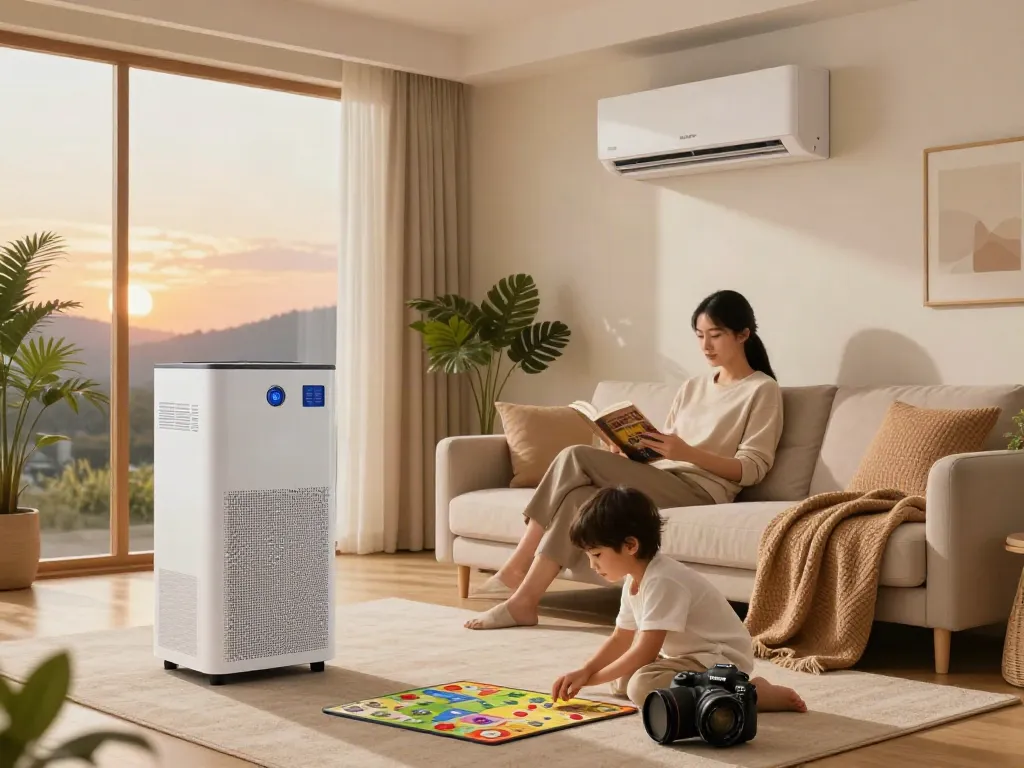
The Benefits of Ductless AC Systems
Ductless air conditioning (AC) systems have surged in popularity due to their flexibility and efficiency. As homeowners seek ways to maintain comfortable indoor environments while managing energy costs, ductless AC units have emerged as a top choice. These systems offer a myriad of benefits that can enhance comfort, improve energy efficiency, and ensure better air quality. When exploring options, ductless ac systems provide comprehensive insights into how these modern solutions can fit into your lifestyle.
Energy Efficiency and Cost Savings
One of the most significant advantages of ductless AC systems is their energy efficiency. Traditional HVAC systems often lose a considerable amount of energy through ductwork, leading to higher utility bills. In contrast, ductless systems bypass this issue altogether. They utilize inverter technology, which allows the compressor to adjust its speed based on the cooling or heating demand, significantly reducing energy consumption.
- Up to 30% more efficient: Ductless systems can achieve SEER ratings of 20 or higher, far exceeding most central air conditioning units.
- Lower operational costs: Homeowners often see a reduction in monthly energy bills due to the improved efficiency of ductless systems.
- Zone control: Ductless systems enable homeowners to create individual temperature zones, allowing for tailored comfort and further energy savings.
Flexibility in Installation
Ductless AC systems offer unparalleled flexibility in installation, making them an ideal solution for various types of buildings, including older homes without existing ductwork or new constructions where ducting may not be feasible.
- Minimal invasion: Installation typically requires only a small hole in the wall for the refrigerant lines and power cable, preserving the integrity of your living space.
- Multiple indoor units: A single outdoor unit can support multiple indoor units, offering extensive coverage for larger properties or homes with unique layouts.
- Variety of styles: Indoor units come in various configurations, including wall-mounted, ceiling cassette, and floor-mounted options, allowing for aesthetic flexibility in different room designs.
Improved Air Quality and Comfort
Ductless AC systems also contribute to improved indoor air quality, as they use advanced filtration technologies to reduce indoor pollutants. Unlike traditional systems that might circulate dust and allergens through ductwork, ductless systems maintain cleaner air by filtering it at the source.
- Enhanced filtration: Many ductless units come with multi-stage filtration systems that capture particulates, odors, and allergens.
- Humidity control: Ductless systems can effectively manage humidity levels, preventing mold growth and ensuring a comfortable indoor environment.
- Quiet operation: Due to their design, ductless units operate quietly, allowing for an unobtrusive cooling and heating experience.
Understanding Ductless AC Technology
To appreciate the full value of ductless AC systems, it's essential to understand their operation and the technology behind them. These systems, also known as mini-splits, combine both heating and cooling capabilities, making them versatile solutions for year-round climate control.
How Ductless AC Works: An Overview
Ductless systems consist of two main components: the outdoor condenser unit and the indoor air-handling unit. The outdoor unit contains the compressor and is responsible for dissipating heat, while the indoor unit absorbs heat from inside the building. The two components are connected by refrigerant lines, allowing for efficient heat exchange.
Choosing the Right System for Your Space
When selecting a ductless AC system, it's crucial to consider the size of the space you wish to cool or heat. Factors such as room dimensions, insulation quality, and local climate can influence the overall performance of the unit. Consulting with a professional can help you determine the correct size and configuration for your needs.
Common Misconceptions About Ductless Systems
Despite their benefits, some common misconceptions surround ductless AC systems. It is essential to address these to help consumers make informed decisions.
- Myth: Ductless systems are too expensive: While the initial investment may be higher than traditional systems, the long-term energy savings and efficiency often outweigh the initial costs.
- Myth: They are noisy: Modern ductless units operate quietly, with decibel levels comparable to a whisper, allowing for a peaceful indoor environment.
- Myth: Only suitable for small spaces: Ductless systems are ideal for various applications, including large homes and commercial spaces.
Installation and Maintenance Best Practices
Proper installation and maintenance are key to maximizing the lifespan and performance of ductless AC systems. Whether opting for professional installation or a DIY approach, understanding the best practices is crucial.
Professional Installation vs. DIY
While some homeowners may consider DIY installation, ductless AC systems typically require specific technical skills and tools for proper setup. Professional installation ensures that the system is installed correctly, optimizing efficiency and performance from the start.
Routine Maintenance Tips for Longevity
Regular maintenance can significantly extend the life of your ductless AC system. Here are some essential tips:
- Clean filters: Check and clean filters monthly to ensure optimal airflow and efficiency.
- Inspect outdoor units: Remove debris and ensure that the outdoor unit is clear of obstructions to maintain effective heat exchange.
- Scheduling professional maintenance: Arrange for a professional inspection at least once a year to identify any potential issues before they become major problems.
Signs Your Ductless AC Needs Repair
Being aware of signs that indicate a need for repair can save homeowners from costly replacements. Look for:
- Unusual noises, such as rattling or hissing
- Inconsistent cooling or heating across rooms
- Increased energy bills without a change in usage
Comparing Ductless AC to Traditional Systems
Understanding how ductless AC compares to traditional systems helps homeowners make the most informed decision regarding their climate control needs.
Cost Analysis of Ductless vs. Central Air
Cost is often a deciding factor for homeowners evaluating AC options. Ductless systems may have a higher initial cost; however, they can offer greater savings in the long run due to their efficiency. Additionally, installation costs for ductless units can be lower compared to the installation of ductwork for central air systems.
Performance Comparison Based on Room Size
Performance can vary based on the size of the room. Ductless systems can effectively cool or heat spaces that are challenging for traditional systems, such as rooms without duct access or those with large windows that let in excessive heat.
User Preferences: Comfort and Control
Homeowners often prefer ductless systems for their customizable features. With the ability to set different temperatures for different zones, user comfort can be greatly improved, compared to the one-size-fits-all approach of central air systems.
Future Trends in Ductless AC Technology
The ductless AC market is constantly evolving to meet the demands of consumers for greater efficiency, convenience, and environmental sustainability. Understanding upcoming trends can help homeowners anticipate future improvements and innovations.
Emerging Features for 2026 and Beyond
As technology advances, we can expect ductless AC systems to incorporate more smart features, including enhanced energy management systems that allow homeowners to monitor and control their climate from anywhere via smartphone applications.
Smart Home Integration and Automation
Integration with smart home systems is likely to become standard, enabling seamless control of indoor climates along with other home systems like lighting and security.
Environmental Impact and Sustainability Considerations
In light of climate change concerns, manufacturers are focusing on developing systems that use more environmentally friendly refrigerants and have lower overall carbon footprints. This shift aligns with consumer preference for sustainable products.
How Long Do Ductless AC Systems Last?
With proper maintenance, ductless AC systems can last 15 to 20 years, offering a long lifespan relative to their performance. Ensuring regular check-ups and adhering to maintenance guidelines can extend their operational efficiency.
What Are the Initial Costs of Ductless AC Installation?
Initial costs can vary significantly based on the system's complexity and the number of zones required. On average, homeowners can expect to pay between $3,000 to $8,000 for a high-efficiency ductless installation, including the unit and labor costs.
Can Ductless AC Systems Heat My Home?
Yes, ductless systems can efficiently heat your home as well. Many models are designed with heat pump technology, allowing them to provide both heating and cooling, making them a versatile choice year-round.
Are Ductless AC Systems Noisier Than Traditional AC?
Contrary to some beliefs, ductless AC systems are generally quieter than traditional central units. Their design allows for quieter operation due to the separation of the indoor and outdoor components, making them more suitable for noise-sensitive environments.
What Size Ductless AC System Do I Need?
The size of the ductless AC system you need is contingent on various factors, including room size, insulation quality, and local climate conditions. Consulting a professional can ensure that you select the correct unit for optimal performance.