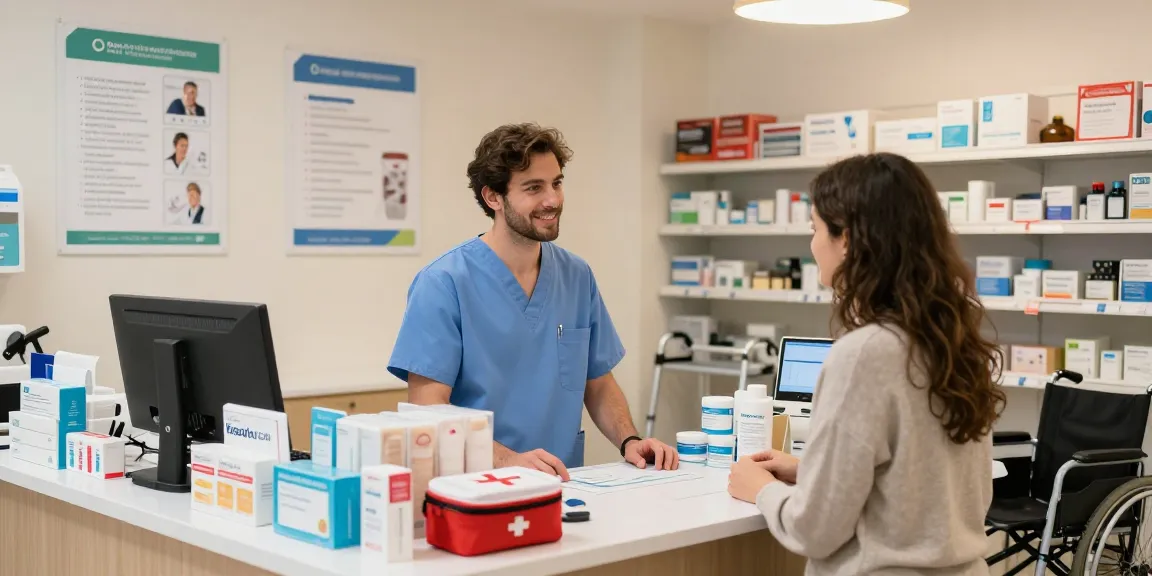
Understanding the Medical Supply Store Landscape in 2026
The medical supply industry is undergoing significant transformations as we move further into 2026. As healthcare demands evolve, so do the expectations of patients and providers alike. Medical supply stores are adapting by innovating their business models and leveraging technology to meet these changing needs. When exploring options, Medical supply store offerings are becoming increasingly comprehensive, focusing not just on products but also on patient education and service delivery.
Current Trends Affecting Medical Supply Stores
In recent years, several key trends have emerged within the medical supply store landscape. A notable shift is the increasing consumer preference for online shopping, driven by convenience and accessibility. Additionally, the rise of personalized healthcare has led to greater demand for tailored products, pushing suppliers to diversify their inventory. Sustainability also plays a role, with many customers now seeking eco-friendly options, which compels stores to source responsibly and highlight sustainable practices.
Patient Needs and Expectations in Healthcare
Today’s patients are more informed and empowered than ever. Accessibility to information means they are often well-versed in their needs and the products available to them. Medical supply stores must respond to this by not only providing high-quality products but also offering guidance and support that instills trust and confidence. Patients expect seamless interactions, whether through physical visits or online platforms, which puts pressure on medical supply stores to enhance their customer service.
Technological Innovations in Medical Supply Distribution
Technology is revolutionizing the way medical supply stores operate. The integration of advanced inventory management systems allows for real-time tracking and better stock management, reducing waste and improving efficiency. Moreover, telehealth technologies are fostering new models of care that are intertwined with medical supply distribution, creating opportunities for stores to partner with healthcare providers in delivering comprehensive patient solutions.
Challenges Facing Medical Supply Stores Today
Regulatory Compliance and Its Impact on Operations
One of the most significant challenges facing medical supply stores is navigating the labyrinth of regulatory compliance. From ensuring that products meet safety standards to adhering to insurance protocols, these regulations can be time-consuming and costly. Stores must invest in compliance training and maintain robust quality assurance programs to mitigate risks and avoid penalties.
Supply Chain Disruptions and Inventory Management
Recent global events have highlighted vulnerabilities in supply chains, affecting the availability of essential medical supplies. Stores are pressured to develop more resilient supply chains that can withstand disruptions. This involves diversifying suppliers, investing in technology to enhance inventory visibility, and employing just-in-time practices to minimize excess stock and costs.
Patient Education and Accessibility Issues
Another critical challenge is ensuring that patients have adequate access to information about their medical supplies. Many patients struggle to understand their options, leading to ineffective use of products. Medical supply stores should prioritize educational initiatives, providing resources and support to help patients navigate their choices. Accessibility also extends to physical locations, ensuring that stores are reachable and accommodating to all patients, including those with disabilities.
Best Practices for Operating a Successful Medical Supply Store
Personalized Customer Service Strategies
To build loyalty and trust, medical supply stores should implement personalized customer service strategies. This includes training staff to not only sell products but also understand the unique needs of each patient. Engaging in active listening and providing tailored recommendations can significantly enhance the customer experience and lead to repeat business.
Leveraging E-commerce for Increased Reach
The rise of e-commerce cannot be ignored. Medical supply stores should consider developing robust online platforms that allow for seamless browsing and purchasing. Incorporating educational content, such as product usage tutorials or informative blogs, can also drive traffic and establish the store as a trusted authority in the medical supply field.
Maintaining Quality and Sustainability in Product Choices
Quality and sustainability are not just trends; they are essential components of a successful medical supply store strategy. Offering high-quality products that comply with all regulations ensures patient safety and satisfaction. Additionally, focusing on sustainable products can attract environmentally-conscious consumers, enhancing the store’s reputation and customer base.
Case Studies of Successful Medical Supply Stores
Innovative Marketing Techniques
Successful medical supply stores are adopting innovative marketing techniques that leverage social media, content marketing, and community engagement. Case studies show how stores that share patient success stories and educational content on platforms like Instagram and Facebook have seen increased customer engagement and loyalty.
Community Engagement and Support Programs
Community support programs can significantly enhance a medical supply store’s profile. Engaging with local health fairs, offering free workshops, and connecting with healthcare providers build trust and awareness among potential customers. In addition, these initiatives create valuable feedback loops that inform product offerings and service improvements.
Technology Utilization for Enhanced Customer Experience
Many successful stores are integrating technology such as apps for order tracking and inventory management, improving customer experience significantly. By utilizing data analytics, stores can better understand purchasing behaviors and customize offerings to meet the needs of their clientele more effectively.
Future Trends and Predictions for Medical Supply Stores
Adapting to Consumer Behavior Changes by 2026
As we look towards 2026, consumer behavior will continue to evolve, driven by technology and changing demographics. Medical supply stores must remain adaptable, focusing on online engagement and developing services that reflect the needs of an increasingly diverse population. Tailoring offerings to specific patient demographics will become increasingly important.
The Role of Telehealth in Medical Supply Retail
Telehealth is poised to become an integral part of the medical supply retail experience. Stores that collaborate with telehealth providers can create streamlined processes that connect remote consultations to product availability, ensuring that patients receive necessary supplies in a timely manner.
Emerging Technologies Shaping the Future of Healthcare Supply
Emerging technologies such as artificial intelligence and blockchain are set to change how medical supply stores operate. These tools can enhance supply chain transparency, improve inventory management, and reduce operational costs, paving the way for a more efficient and patient-centered approach to healthcare delivery.
How can I improve customer service in my medical supply store?
Improving customer service involves training staff thoroughly, implementing feedback mechanisms, and ensuring that every customer feels valued and understood. Consider using customer relationship management tools to track interactions and preferences to personalize the service experience.
What regulatory challenges should medical supply stores plan for?
Staying updated on changing regulations and preparing for audits are essential for compliance. It is beneficial to have legal counsel or compliance specialists involved in operations to navigate these challenges effectively.
How can technology enhance the efficiency of medical supply stores?
Technology can streamline operations by automating inventory management, facilitating online sales, and enhancing customer service through chatbots and interactive websites. Embracing these innovations leads to a more efficient and agile business model.
What inventory management strategies are effective for medical supply stores?
Effective inventory management strategies include utilizing just-in-time inventory systems, forecasting based on historical data, and implementing robust software solutions for real-time monitoring. These methods help in minimizing holding costs and improving cash flow.
How to engage with the community as a medical supply retailer?
Engaging with the community can be done through participation in local health events, sponsoring health awareness campaigns, and collaborating with local healthcare providers. Building relationships within the community enhances the store’s visibility and reputation.